
буровые штанги
Jaw Crusher Wear Parts: field notes, specs, and what buyers are really asking If you run rock, you burn through wear metal. That’s just the game. After a week poking around quarries from Hebei to the Gulf, I kept hearing the same refrain: “give us reliable jaw crusher parts , and don’t make us babysit the machine.” Fair enough. Based out of Tower C 603, MCC World Grand Plaza, No.66, XiangTai Road, Shijiazhuang, Hebei, China, the team behind “Jaw Crusher Wear Parts” has been pushing manganese chemistries and heat-treatment tweaks that—surprisingly—do move the needle. What’s trending in the pit (and the plant) Shift from Mn13 to Mn18Cr2 and Mn22 for abrasive granite/basalt; ceramic-reinforced inserts for concrete recycling. Digital traceability (heat numbers, QR-coded MTRs), ISO 9001-driven process control, faster lead times. Profiles tuned to feed: standard corrugated, super-tooth, flat, and deep-rib for sticky limestone. Core specs at a glance The lineup includes fixed/movable jaw dies, cheek plates, toggle plates—and a new Manganese Alloy Sieve Plate for under-crusher screening. In fact, many customers say the sieve plate cuts blinding in damp aggregates. Part Material/Grade Hardness Typical Service Life Notes Fixed/Movable Jaw Dies Mn18Cr2 / Mn22 (ASTM A128) ≈ HB 200–230 (work-hardens to ≈ HB 500) ≈ 300–600 h (real-world use may vary) Corrugated or super-tooth profiles Cheek Plates Mn13/18 or AR450 HB 360–480 (AR) ≈ 500–900 h Reversible for extended life Toggle Plate Mild Steel / Cast Iron — Safety element Designed to fail under overload Manganese Alloy Sieve Plate Mn18 with wear lugs Work-hardening surface Up to 2× vs. standard screens Reduces plugging in wet fines How they’re made (short version) Materials: Hadfield steel (ASTM A128/A128M), optional martensitic with Cr-Mo, and ceramic-reinforced variants for impact + abrasion balance. Methods: green-sand or lost-foam casting; solution treatment at ≈1050°C; rapid water quench; stress relief; CNC finishing. Testing: UT/MT per ASTM E709/E165; hardness per ISO 6506/6508; abrasion per ASTM G65; dimensional checks to drawing tolerances. Traceability: heat number on casting; MTRs; ISO 9001 quality system. Applications and field feedback Scenarios: abrasive granite/basalt pits, iron-ore primaries, C&D recycling (rebar-laced concrete), and sticky limestone (where deep-rib profiles help). One quarry manager told me, “we switched to Mn18Cr2 jaw crusher parts with super-tooth; throughput rose about 6% and we stopped flipping dies every other weekend.” Lab abrasion (ASTM G65 Proc. A) showed ≈12–18% lower mass loss vs. their previous set. Vendor snapshot (what buyers compare) Vendor Core Alloys Lead Time Customization Certs Noted for Zhongyue Mining (Hebei) Mn13/18/22, ceramic-reinforced ≈ 2–4 weeks Profiles, TIC inserts, logos ISO 9001, CE Balanced price-to-life Global OEM A Proprietary Mn + TIC 4–8 weeks OEM-only ISO 9001 High consistency Aftermarket EU B Mn18/22 2–5 weeks Limited ISO 9001 Regional stocking Case note: granite operation, 1100×700 jaw After switching to Mn18Cr2 super-tooth jaw crusher parts with TIC-reinforced zones, a mid-size quarry reported: +7% throughput, liner life from ≈220 h to ≈380 h, and 18% lower cost/ton. Vibration stayed within ISO 10816 green zone, and G65 abrasion showed ≈15% improvement over the prior set. To be honest, results depend on feed and nip angle—but the trend’s hard to ignore. Customization checklist Profile: standard, super-tooth, flat, deep-rib (sticky feeds). Alloy: Mn13 for impact, Mn18/Mn22 for abrasion; martensitic or ceramic-reinforced for mixed recycling. Fitment: drill pattern, seating face, logo casting; supply as-matched sets with cheek plates. Certifications: ISO 9001 quality management; CE marking where applicable. Maintenance tip: monitor CSS drift and flip jaw crusher parts before step formation skyrockets power draw. References ASTM A128/A128M – Standard Specification for Steel, Austenitic Manganese. https://www.astm.org/a0128_a0128m-19.html ASTM G65 – Standard Test Method for Measuring Abrasion Using the Dry Sand/Rubber Wheel Apparatus. https://www.astm.org/g0065-16.html ISO 6508-1 – Rockwell hardness test. https://www.iso.org/standard/69194.html ISO 10816 – Mechanical vibration — Evaluation of machine vibration. https://www.iso.org/standard/38062.html
About Us
Who We Are ?

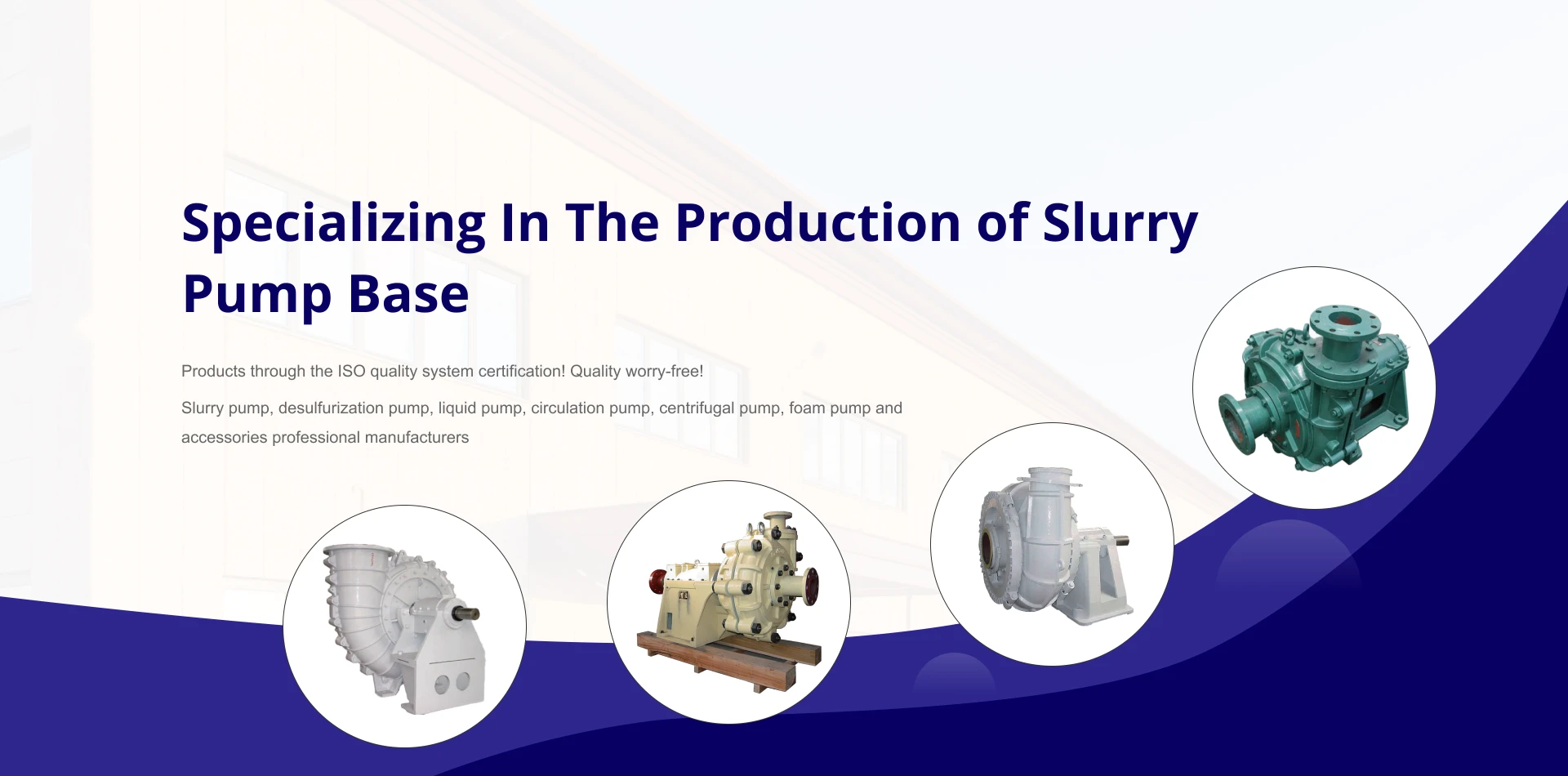
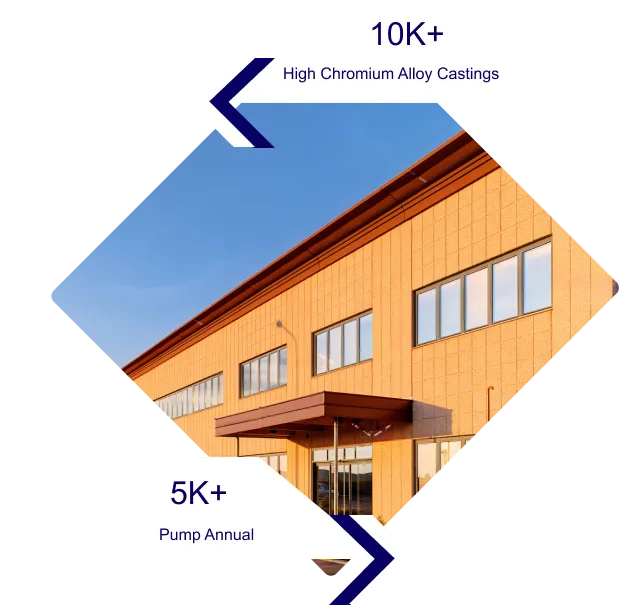
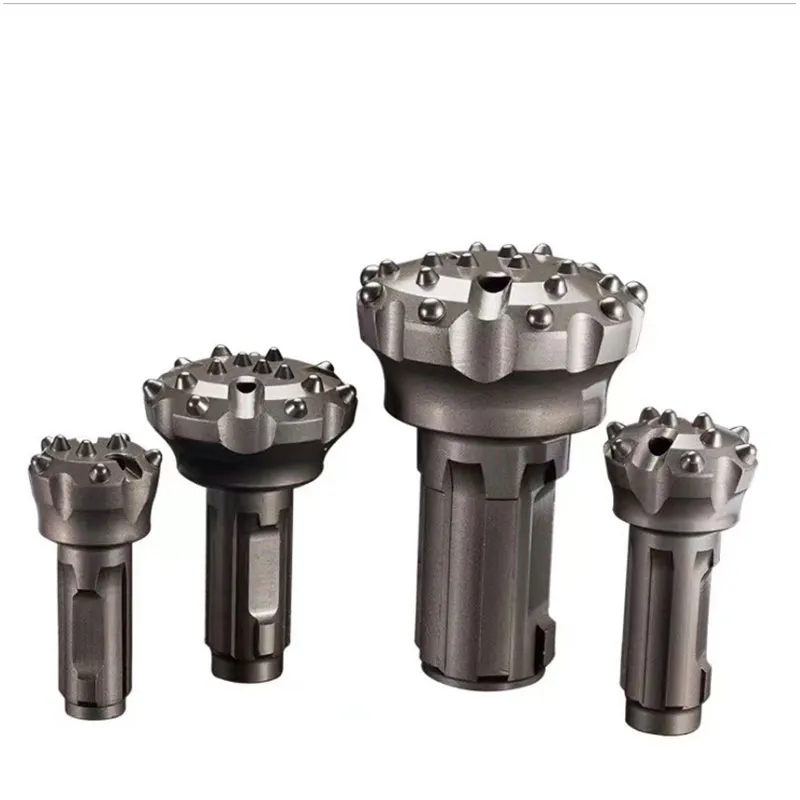
Zen Young Technology Hebei Co., Ltd. Specialized in Slurry pump solutions, Foundry OEM services, Drilling rigs and drilling tools, and Air compressors for world wide industries of mining, metallurgy, municipal construction, power, dredging, petrochemical, etc. Zen Young’ pump models include ZGB type slurry pump, G/GH gravel pump,M/AH/HH pump and SP/SPR pump and spare parts.
VIEW MORE


Our Service Concept
Receive customer demand the first time reply, one-stop solution to customer problems, to achieve customer satisfaction.
commitment to our customers :
Receive customer demand the first time reply, one-stop solution to customer problems, to achieve customer satisfaction.
service aim:
Create "customer first, innovation, passion, heart win the future."
service concept:
Customer-centric: Creating value for customers is the basis of the existence of Zen Young, the
team should attach great importance to the information passed to the company by the department
and colleagues closest to the customer, and the most positive response to the needs of the
department and colleagues close to the customer.Moving customers: The more difficult it is to
meet the needs of customers, the greater the surprise and moving it will bring to customers.
Exceed customer expectations to move customers.
Zen Young firmly believes that service
can create value, first-class after-sales service and quality products are equally important. Zen
Young is committed to building a professional, international after-sales service brand, we
meet the needs of domestic and foreign customers with excellent technology, a high sense of
responsibility and professional and rigorous service attitude, and constantly strive to provide
services beyond customer expectations.

Our Latest
News
VIEW MORE


Our Latest News
-
Products


Zen Young Technology Hebei Co., Ltd. Specialized in Slurry pump solutions, Foundry OEM services, Drilling rigs and drilling tools, and Air compressors for world wide industries of mining, metallurgy, municipal construction, power, dredging, petrochemical, etc.
Copyright © 2025 Zen Young Technology Hebei Co.,Ltd. All Rights Reserved. Privacy Policy